

Key Takeaways
Why Weather-Aware Planning Is Different From Routine Trip Planning
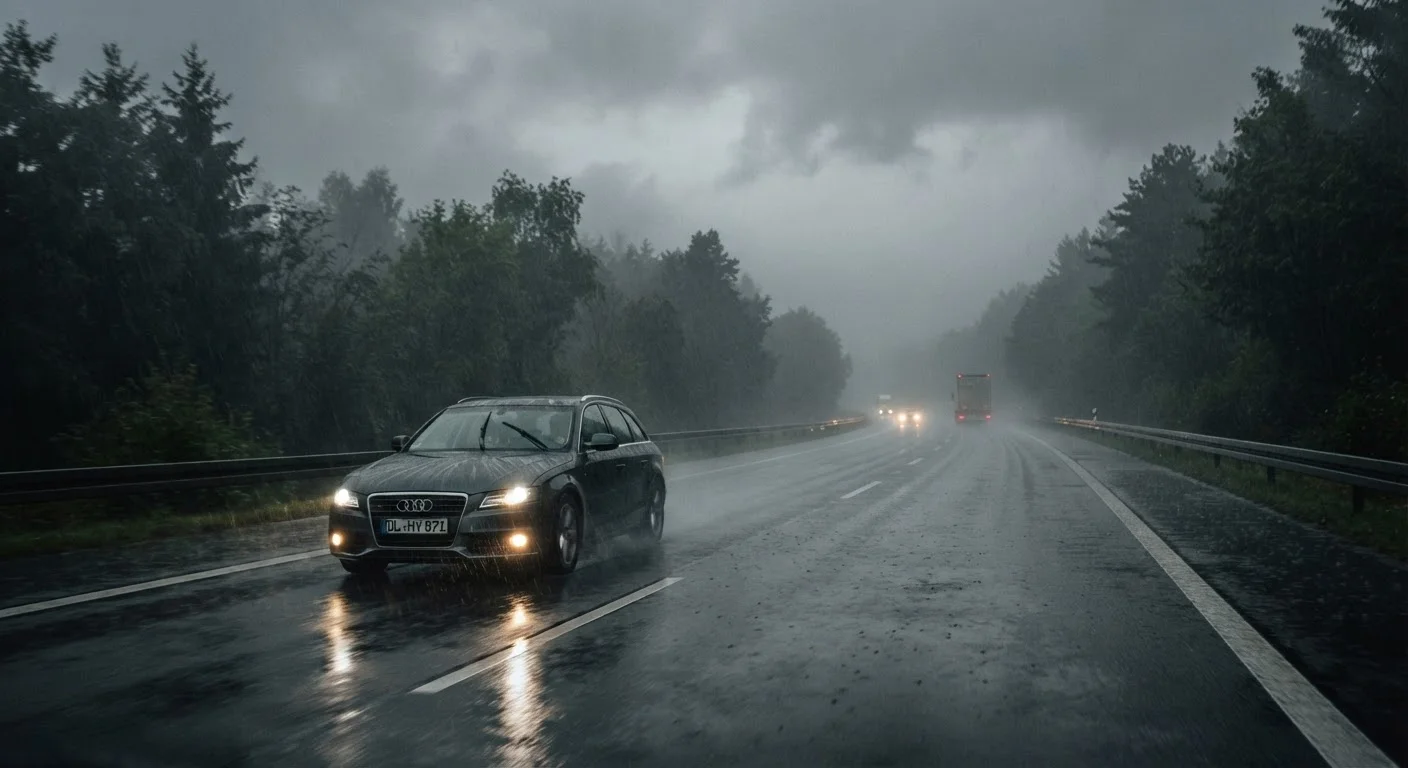
Planning a road trip in bad weather isn't simply about packing an extra layer or leaving early. It means understanding how rain reduces braking effectiveness, how fog compresses your visible stopping distance, and how ice transforms ordinary highway curves into genuine hazards. These aren't abstract risks — weather is a contributing factor in hundreds of thousands of vehicle crashes each year in the United States, according to the Federal Highway Administration.
The good news: most weather-related driving incidents are preventable with preparation. The anatomy of a well-planned road trip covers route logic and overnight stops thoroughly, but adverse weather adds a layer that requires specific habits before you even start the engine.
What you will need
Use the steps below as your decision framework — from the night before departure through the final miles of your drive.
Step-by-Step: Preparing for and Driving in Poor Conditions
Check the forecast along your full route
Most drivers check weather at their destination and forget everything in between. Use weather.gov or a route-aware app to look at conditions mile by mile, especially through mountain passes, open plains, or coastal areas where weather can shift fast. Check the forecast the night before and again the morning of your trip.
Inspect your vehicle before departure
Bad weather punishes deferred maintenance. Before leaving, verify that your windshield wipers clear without streaking, your headlights and taillights all function, your tire tread and pressure are within safe range, and your brakes don't pull or vibrate. See the seasonal car maintenance checklist for a comprehensive pre-trip vehicle review.
Pack your emergency kit and essentials
Assemble an emergency roadside kit and keep it accessible — not buried under luggage. At minimum: jumper cables, a flashlight with fresh batteries, reflective triangles or road flares, a basic first-aid kit, a blanket, water, and non-perishable snacks. In winter, add an ice scraper, small shovel, and sand or kitty litter for traction if you get stuck.
Share your itinerary with someone you trust
Before departing, tell a friend or family member your planned route, estimated departure time, and expected arrival time. If you become stranded or unreachable, they'll know when to check in and what route to reference. This simple step requires no technology and can make a critical difference in an emergency.
Adjust your driving for the specific condition
Each type of bad weather demands different technique:
- Rain: Increase following distance to at least 4–5 seconds. If you feel the car float or vibrate (hydroplaning), ease off the gas gently — do not brake hard. Keep headlights on even in light rain.
- Fog: Use low beams, not high beams. Slow down significantly and increase your following distance. Pull over if visibility drops to near zero.
- Snow and ice: Accelerate and brake slowly and gently. Double or triple your normal following distance. Bridges and overpasses freeze before road surfaces.
Know when to stop and wait it out
If conditions deteriorate beyond what you prepared for, pull off safely — ideally at a rest stop, gas station, or hotel — and wait for conditions to improve. Monitor updated forecasts and check your state's department of transportation website or 511 hotline for real-time road conditions. Arriving a few hours late is always better than not arriving safely.
When to Cancel or Delay Your Trip
No destination is worth risking your life. If official state or local agencies issue travel advisories, road closures, or blizzard warnings along your route, seriously consider postponing. Ice and near-zero visibility are conditions where even experienced drivers with well-prepared vehicles face serious risk. Check state department of transportation websites and 511 traveler information services before making a final call.
Never Use Cruise Control on Wet or Icy Roads
Cruise control reduces your ability to react instantly if your tires lose traction. On rain-slicked or icy surfaces, hydroplaning or a skid can happen in a fraction of a second. Keep manual control of your speed at all times in adverse weather conditions.
Low-Beam Headlights Beat High Beams in Fog
High-beam headlights reflect off fog droplets and actually reduce your visibility. Switch to low beams and, if your vehicle has them, use dedicated fog lights. Slow down well below the posted speed limit — your stopping distance should always be shorter than your visible range ahead.
Once your trip is complete, review what worked and what felt underprepared. Building these habits across multiple trips makes weather driving less stressful and more instinctive over time. For your next outing, the complete pre-trip checklist can help you make sure nothing practical gets overlooked before departure.