

Key Takeaways
Acid in Cooking
In cooking, "acid" refers to ingredients with a low pH that produce a sour or tart taste — things like lemon juice, lime juice, vinegar, buttermilk, and wine. Adding acid to a dish doesn't just make it taste sour; it actively brightens other flavors, balances richness, and can even change the texture of proteins and vegetables. Think of it as a seasoning tool, just like salt.
Foods with a pH below 7 are considered acidic. Common culinary acids like citric acid (citrus juice) and acetic acid (vinegar) interact with flavor compounds and proteins at a molecular level, which is why small amounts produce noticeable changes in a finished dish.
Why Acid Matters in Every Kitchen
If a dish tastes like something is missing but you can't quite name it, the answer is usually one of two things: salt or acid. Most home cooks have salt well covered. Acid is the underused partner that experienced cooks reach for almost instinctively — a squeeze of lemon over pasta, a splash of red wine vinegar into a pan sauce, a drizzle of balsamic on roasted vegetables.
Acid does something that salt can't: it introduces brightness. That quality — the way a dish seems to wake up and become more vivid — comes from how acidic compounds interact with your taste receptors and with the food itself. Understanding this simple principle can make you a significantly more confident cook, even if you never measure anything precisely.
Salt draws out moisture and builds flavor at every stage of cooking, but acid operates differently. Where salt amplifies what's already there, acid cuts through and lifts — it can make a rich, heavy dish feel lighter and make flavors that were muddled become distinct.
~3.5
pH of fresh lemon juice
Lemon juice typically registers a pH between 2 and 3, making it one of the more potent everyday culinary acids available in any kitchen.
2–3%
Acetic acid in white wine vinegar
Most wine vinegars contain 5–7% acetic acid by volume, while distilled white vinegar typically contains about 5%, giving it a sharper, cleaner punch than citrus.
30 sec
Time to taste after adding acid
Culinary educators commonly advise waiting at least 30 seconds after stirring in acid before tasting again, allowing it to integrate with other flavors.
What Acid Actually Does to Food
Acid affects a dish on several levels simultaneously:
- Flavor perception: Acid stimulates salivation and sharpens your ability to taste other flavors. A dish with the right acid balance tastes more complex even if no other ingredients changed.
- Balancing richness: Fat coats the palate and can dull the overall experience of a dish. A splash of acid cuts through that coating, making creamy or oily foods feel less heavy.
- Color: Acid helps red and purple vegetables — like red cabbage or beets — retain their vibrant color during cooking. It also prevents cut apples and avocados from browning.
- Texture: Acid denatures (partially breaks down) proteins. This is why citrus-marinated fish in a ceviche "cooks" without heat — the proteins firm up in the presence of acid. The same principle applies to meat marinades, where acid helps tenderize tougher cuts over time.
These effects are why professional cooks often describe acid as a seasoning rather than just a flavoring agent. Used well, it doesn't add a sour taste — it adds dimension.
Lemon Juice vs. Vinegar: Knowing Which to Reach For
Both lemon juice and vinegar are acids, but they behave differently in the kitchen and pair better with different foods.
Lemon Juice (and Other Citrus)
Citrus juice is primarily citric acid, and it carries volatile aromatic compounds that are sensitive to heat. That's why adding lemon juice at the beginning of a long braise essentially wastes it — the brightness cooks off. Fresh lemon is best used as a finishing acid: stirred in just before serving, squeezed over grilled fish, or whisked into a dressing right before tossing.
Vinegar
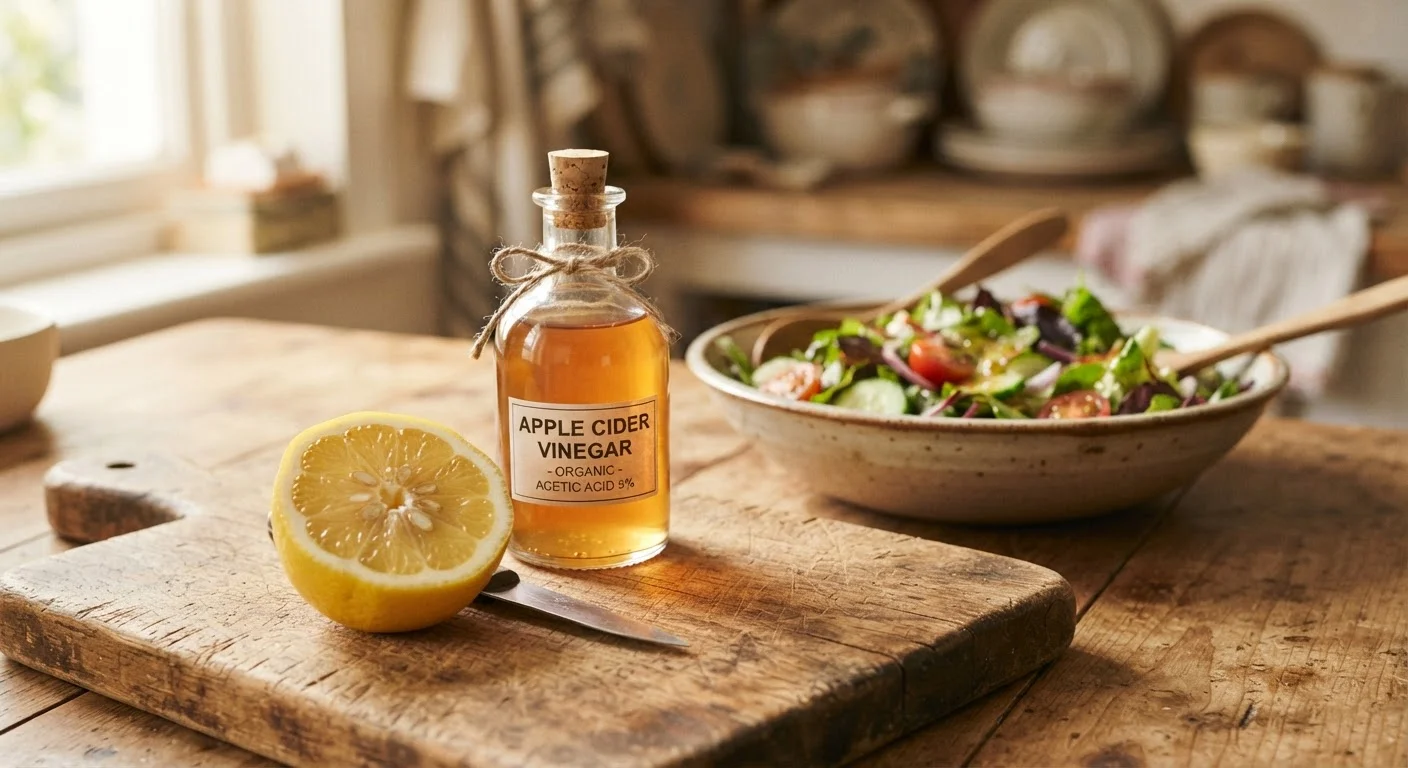
Vinegar is acetic acid and is considerably more heat-stable. It can go into a reduction, a marinade, or a long-simmered sauce without losing its acidic punch entirely. Different vinegars also carry distinct flavors: apple cider vinegar is mellow and fruity; white wine vinegar is clean and sharp; balsamic is sweet and complex. This makes vinegar more versatile across cooking stages.
A useful rule of thumb: reach for citrus when you want freshness, and reach for vinegar when you want depth or when the dish involves heat.
Seasoned cooks build instincts like this through consistent tasting and adjustment — there's no substitute for simply tasting your food as you cook and making small corrections.
Start Small and Taste as You Go
When adding acid to a finished dish, begin with half a teaspoon and taste before adding more. It's much easier to add than to correct an over-acidified dish. If you do go too far, a small pinch of sugar or an extra knob of butter can help bring the balance back.
How to Use Acid with Confidence
The most practical approach to using acid is incremental. You don't need to measure; you need to taste. Here's a simple framework:
- Taste your dish before finishing it. If it tastes flat or muted, consider acid before adding more salt.
- Add a small amount — start with a teaspoon. Stir it in and taste again after 30 seconds.
- Assess what changed. If the dish brightened and flavors became more distinct, you're on the right track. If it now tastes sour, you've overshot — add a small pinch of sugar or a bit more fat to rebalance.
- For citrus, add it off the heat or right at the end. For vinegar in a sauce, you have more flexibility on timing.
This tasting-and-adjusting habit is what separates confident cooks from those who follow recipes rigidly and still end up with dishes that taste a little off. Acid is one of the most powerful tools in that feedback loop.
Developing this instinct — tasting constantly, adjusting in small increments — is a core habit of experienced home cooks. Paired with a solid understanding of how salt functions at each stage of cooking, it gives you real control over how your food tastes, not just how closely you followed a recipe.