

Key Takeaways
The List Isn't the Problem — The Planning Behind It Is
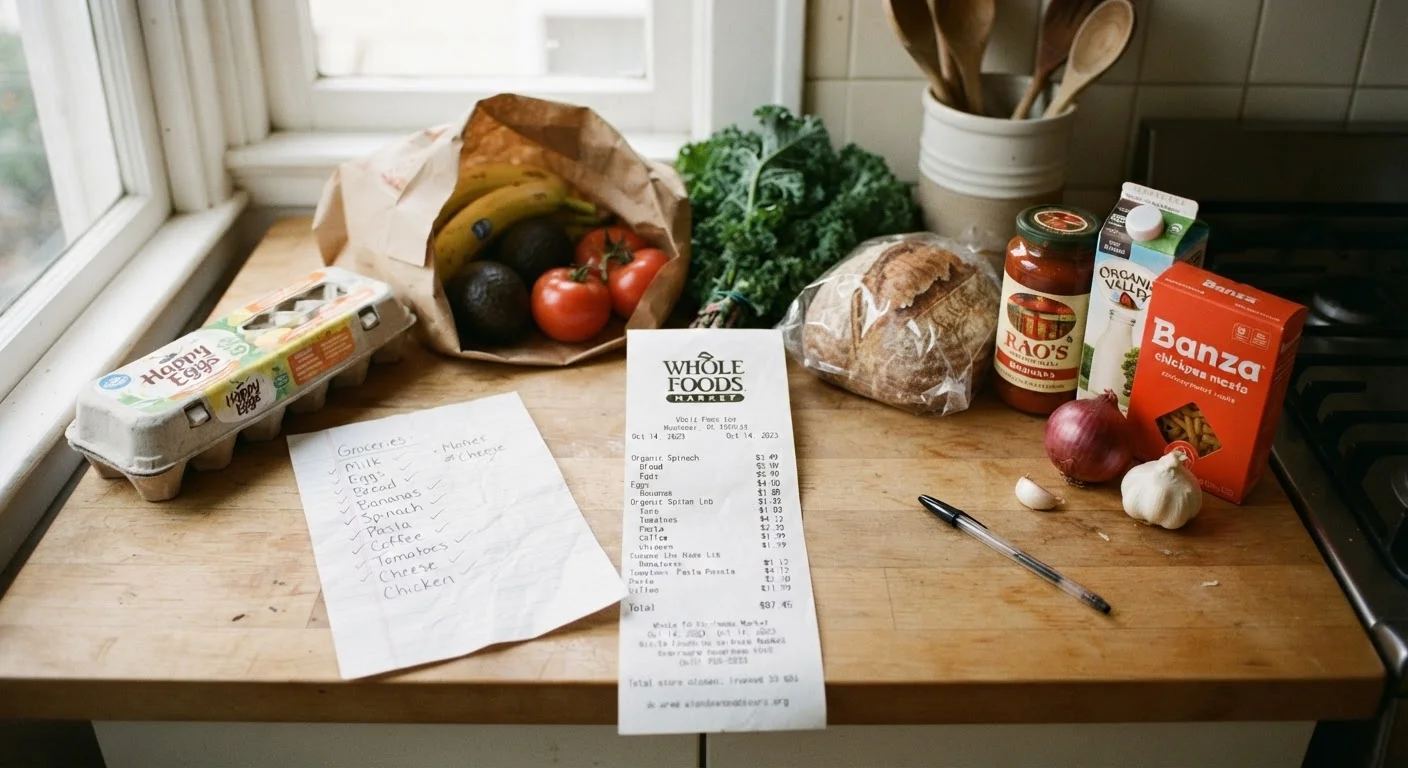
You made the list. You took it to the store. You still spent $40 more than you intended. Sound familiar?
A shopping list is a tool, not a strategy. Without the right preparation behind it, even a detailed list can lead to overspending, food waste, and mid-week emergency runs. The real issue lies in the gaps between writing a list and building a true meal plan. For a deeper look at where your food spending goes off track, see where food spending goes wrong.
The mistakes below are the most common culprits — and none of them are about willpower or discipline. They're planning habits that are easy to fix once you can see them clearly.
Writing a list from memory instead of a meal plan.
Why it happens: Most people default to restocking familiar items out of habit rather than thinking through what they'll actually cook each day of the week.
Skipping the pantry check before heading to the store.
Why it happens: It takes time, and most people assume they know what they have. But memory is unreliable, especially for pantry staples tucked in the back of cabinets.
Using vague list items that leave too much room for in-store decisions.
Why it happens: Writing "chicken" or "vegetables" feels efficient, but it means you're making buying decisions under store conditions — where larger packages, sale signage, and impulse displays all compete for your attention.
Planning meals without accounting for your actual weekly schedule.
Why it happens: People plan for the week they wish they had — with time to cook every night — rather than the one they actually have, which often includes late nights, activities, and unpredictable evenings.
Buying ingredients for aspirational recipes you're unlikely to make.
Why it happens: Browsing recipes online or on social media makes ambitious meals feel realistic in the moment. At the store, specialty ingredients get purchased; mid-week, the energy isn't there and those ingredients go unused.
How to Close the Gaps Before You Shop
Most grocery budget problems are solved before you ever walk into a store. The fix is a consistent pre-shopping routine that takes 10–15 minutes and covers three things: what's already in your kitchen, what you realistically need to cook this week, and what a reasonable per-meal cost looks like.
Start by doing a quick scan of your fridge, freezer, and pantry before writing a single item on your list. Cross-reference what you find against your actual week — not an ideal week, but the one with the Tuesday school pickup and the Thursday late meeting. Then map meals to those slots, not the other way around.
If you want a practical structure to follow each week, the weekly meal planning checklist walks through exactly this process, step by step.
Grocery overspending rarely happens in isolation, either. The same pattern of vague planning that inflates food bills tends to show up in other budget categories. The irregular expenses most people forget is worth a read if your overall monthly budget keeps coming up short despite careful tracking.
~$1,500
Average annual food waste cost per U.S. household
According to the USDA, American families throw away a substantial portion of the food they buy — much of it tied to poor planning rather than spoilage beyond control.
4 in 10
Shoppers who exceed their grocery budget regularly
Consumer surveys consistently show a large share of Americans find their grocery spending exceeds what they planned, even when using a list.