

Pet Care Guide

Before Every Training Session: A Preparation Checklist for Pet Owners

Share
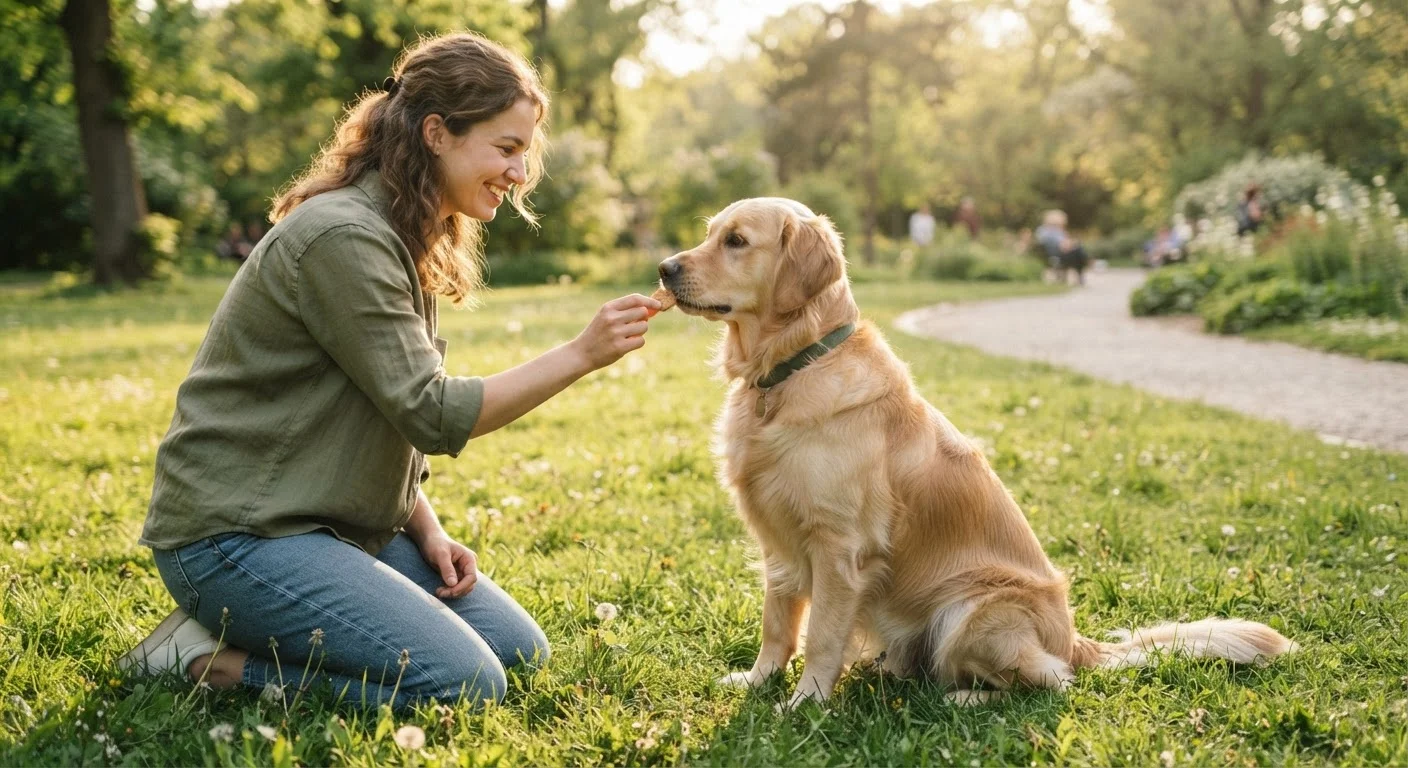
Dog sitting attentively outdoors during a training session with owner holding a treat.

Key Takeaways

Timing matters — train when your pet is calm, rested, and moderately hungry, not overstimulated or exhausted.
A distraction-free environment helps pets focus, especially during early-stage learning.
Short, consistent sessions of 5–10 minutes outperform long, infrequent ones for most pets.
Your own mood and readiness directly affect how your pet responds during training.
Having the right supplies ready before you start prevents interruptions that can break your pet's focus.
15–30 min

Summary

18 items · 15–30 minutes per session

Why Pre-Session Prep Makes the Difference

Most training setbacks happen before a single command is ever given. A pet that's overstimulated, an owner who's rushed, or treats that are stale and uninteresting can all quietly derail a session that had every intention of going well. The good news is that a consistent pre-session routine takes less than five minutes and dramatically improves results.

If you're just getting started, our beginner's guide to obedience training covers the foundational techniques that work best once your preparation is solid. This checklist is what you do before that work begins.

Use the checklist below before every session — whether you're working on a brand-new skill or reinforcing something your pet already knows.

Environment Setup

Choose a low-distraction space — indoors or in a quiet area of your yard — where your pet can focus without competing stimuli. Must
Remove or secure other pets, children, and electronics that could interrupt the session. Must
Check that the surface is comfortable and safe — avoid slippery floors for dogs that need to sit, down, or pivot. Should
If training outdoors, verify the area is securely fenced or that a leash is attached before releasing focus. Must

Timing and Session Length

Schedule the session when your pet is moderately hungry — not right after a full meal, and not so hungry they can't concentrate. Must
Aim for 5–10 minute sessions for puppies or new skills; experienced pets may sustain focus for up to 15 minutes. Should
Avoid training immediately after vigorous exercise or during nap time — choose a window of calm alertness. Should
Set a timer so sessions end on a high note before your pet fatigues, rather than stretching until frustration sets in. Nice to have

Treats and Rewards

Portion out small, high-value treats in a treat pouch or pocket before starting — pieces should be pea-sized to avoid filling your pet up quickly. Must
Confirm the treats smell and taste fresh; stale or low-appeal rewards significantly reduce motivation. Must
Have a secondary reward ready (a brief play session or favorite toy) in case treat interest drops mid-session. Nice to have

Owner Readiness

Check your own mood — if you're stressed, frustrated, or rushed, postpone the session; pets reliably pick up on emotional states. Must
Review the specific skill you plan to practice so your cues are consistent and clear before you start. Should
Decide in advance what success looks like for today's session — a single clean repetition of a new behavior counts. Should
Remove rings or bracelets that might get caught in a leash or interfere with hand signals. Nice to have

Pet Health and Comfort Check

Do a quick visual check — confirm your pet is not limping, scratching excessively, or showing any signs of physical discomfort before asking them to perform. Must
Ensure your pet has had access to water recently; a thirsty pet is uncomfortable and easily distracted. Must
Confirm your pet has had a bathroom break so there's no competing physical need during the session. Must

Tools to Have Ready Before You Begin

Gathering your supplies in advance prevents mid-session scrambles that disrupt your pet's focus and your own. Below are the core items worth having on hand.

Required

Treat Pouch or Bait Bag

Keeps small training rewards accessible at your hip so you can reward correct behavior within seconds.

Required

High-Value Treats

Small, soft, smelly treats your pet finds genuinely motivating — used to reinforce desired behaviors during the session.

Required

Standard Leash (4–6 ft)

Provides safety and gentle guidance during on-leash skill practice without restricting natural movement.

Optional

Clicker (if using marker training)

Delivers a precise, consistent sound signal the moment a correct behavior occurs, improving timing of reinforcement.

Optional

Training Mat or Designated Spot Marker

Gives your pet a clear visual anchor for place-based behaviors like 'go to your mat.'

Optional

Notebook or Training Log

Tracking what you practiced and how your pet responded helps spot patterns and guides future sessions.

Reading Your Pet's Readiness

One of the most underrated parts of preparation is honestly assessing whether your pet is in a trainable state. A dog who just bolted around a dog park for an hour, or a cat who's clearly anxious after a vet visit, is not set up to absorb new information.

Never Train Through Signs of Stress or Pain

If your pet is showing stress signals — yawning repeatedly, licking their lips, tucking their tail, or avoiding eye contact — the session should stop, not push through. Training under stress does not build learning; it builds negative associations with the training context. If stress signals appear consistently, consult a certified professional trainer or your veterinarian to rule out underlying health or anxiety issues.

Signs your pet is ready to train include: relaxed body posture, alert but not frantic attention, and willingness to take treats. Signs to wait include: panting heavily, repeatedly sniffing the ground and disengaging, growling or showing whale eye, or being so drowsy they can barely track movement.

Training needs also evolve as pets age — what works for a puppy won't be appropriate for a senior dog. Our guide on training across your pet's life stages walks through how to adjust your approach over time. And if your dog struggles with anxiety that makes focus difficult, behavioral strategies for separation anxiety may also offer useful context for understanding stress signals.

This article provides general educational guidance and is not a substitute for advice from a certified professional trainer or veterinary behaviorist. If your pet shows persistent behavioral concerns, consult a qualified professional.

Pet Care Guide Editorial Team is the collective byline for our editorial team and contributor network. Articles published under this byline or an editorial pen name are researched, written, and reviewed according to our editorial standards for clarity, consistency, and independence before publication.

View all articles by Pet Care Guide Editorial Team →
Disclaimer: The content provided on our blog site traverses numerous categories, offering readers valuable and practical information. Readers can use the editorial team’s research and data to gain more insights into their topics of interest. However, they are requested not to treat the articles as conclusive. The website team cannot be held responsible for differences in data or inaccuracies found across other platforms. Please also note that the site might also miss out on various schemes and offers available that the readers may find more beneficial than the ones we cover.