

Key Takeaways
Phantom Load (Standby Power)
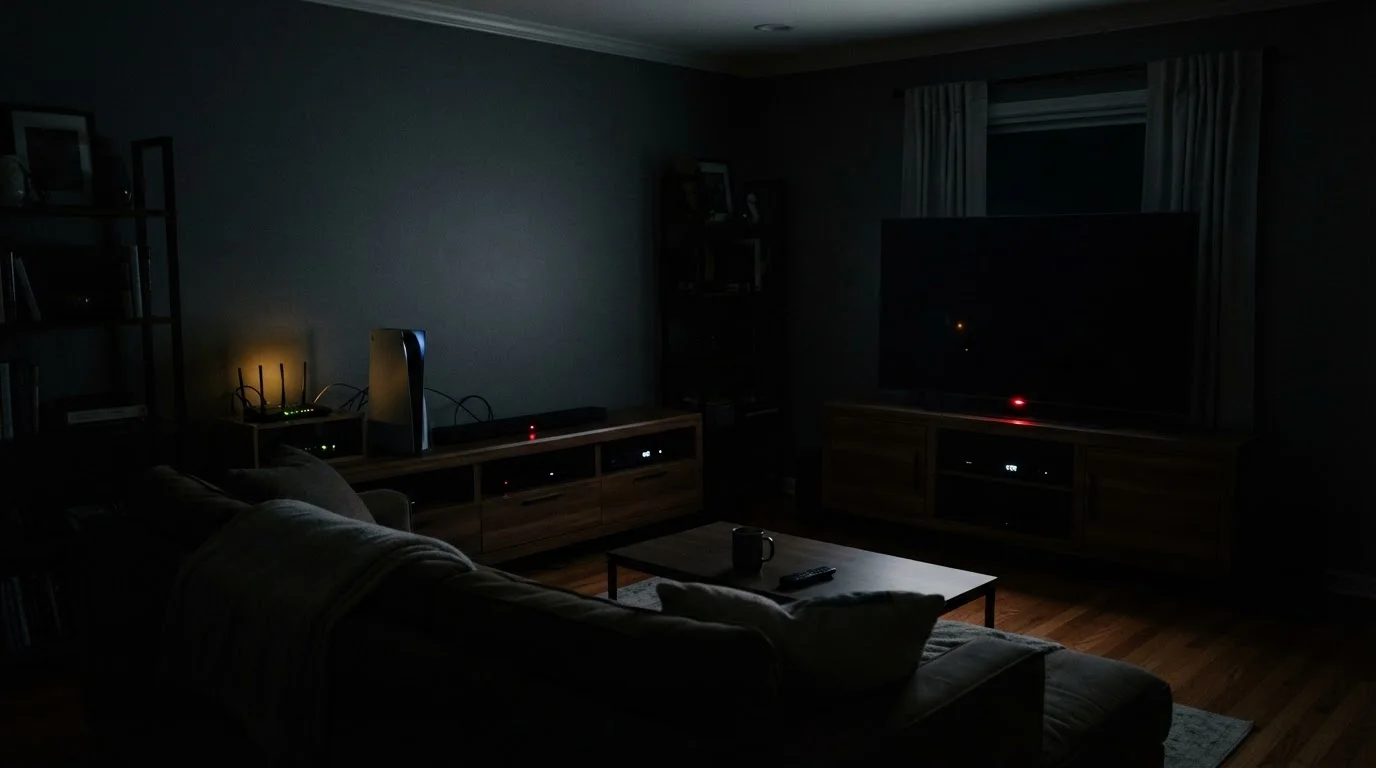
Phantom load — also called standby power or vampire power — is the electricity a device consumes even when it appears to be switched off or in sleep mode. It happens because most modern electronics are never truly off; they stay partially powered so they can respond instantly to a remote control, maintain a clock, or stay connected to the internet. This quiet, continuous draw adds to your electricity bill whether or not you're actively using the device.
Standby power is measured in watts. A device drawing just 1 watt continuously consumes roughly 8.76 kilowatt-hours (kWh) per year — and many devices draw far more than that.
Why 'Off' Doesn't Always Mean Off
Most people assume that turning off a television or unplugging a laptop means the device stops using electricity entirely. In reality, the vast majority of consumer electronics are designed to remain in a low-power state at all times — ready to spring back to life the moment you press a button or a signal comes in.
This is partly a deliberate design choice. Manufacturers know consumers expect instant-on performance: a TV that responds immediately to the remote, a cable box that doesn't take three minutes to boot up, a smart speaker that's always listening for its wake word. Delivering that convenience requires the device to stay partially powered — around the clock, every day of the year.
The result is phantom load: a slow, silent electricity draw that appears on your utility bill without any corresponding benefit you're aware of. For a deeper look at how these hidden energy costs accumulate across an entire home, see The Hidden Energy Drains Hiding in Plain Sight Around Your House.
Which Devices Are the Biggest Offenders?
Not all standby power draws are equal. Understanding which categories of devices are most likely to be quietly draining electricity helps you prioritize where to take action.
~10%
Share of home electricity used by standby power
The U.S. Department of Energy estimates that standby power consumption accounts for roughly 10% of a typical household's electricity use.
400+
Standby-consuming devices in average U.S. home
Research from Lawrence Berkeley National Laboratory has found that the average American home contains dozens of products drawing standby power, with the total number of such devices having grown significantly over the past two decades.
5–10W
Typical cable box standby draw
Cable and satellite set-top boxes frequently draw between 5 and 10 watts or more in standby, according to measurements published by energy research organizations — comparable to a low-wattage LED bulb running continuously.
- Cable and satellite boxes are widely cited as standby power leaders. Because they continuously record scheduled programming and maintain a connection to the provider's network, many run at high wattage even when the TV is off.
- Gaming consoles, especially older models, can draw significant power in standby if set to download updates or stay network-connected overnight.
- Televisions — particularly large smart TVs — maintain network connections and quick-start firmware even in standby mode.
- Chargers and power adapters left plugged into outlets draw a small but continuous current even with no device attached.
- Smart home devices like streaming sticks, smart speakers, and smart displays are designed to be always-on by definition — their entire function depends on continuous connectivity.
If you're curious how these costs show up on your actual utility statement, Reading Your Utility Bill: The Numbers That Actually Signal Waste explains how to spot usage patterns that point to inefficiency.
How to Reduce Standby Power Without Losing Convenience
The good news is that cutting phantom load doesn't require dramatic lifestyle changes. A few targeted habits and low-cost tools can make a measurable difference over the course of a year.
Check Your Device's Power Settings First
Before buying any new hardware, spend five minutes in your existing devices' settings menus. Most smart TVs, gaming consoles, and computers include built-in options to minimize standby power draw — and these settings are frequently left at factory defaults, which favor convenience over efficiency. Enabling a stricter energy-saving mode costs nothing and often makes a noticeable difference.
Use Switched Power Strips
Plugging a TV, soundbar, and game console into a single power strip with a physical on/off switch lets you cut all standby power to that entertainment cluster with one flick — no unplugging required. Smart power strips go a step further by automatically cutting power to peripheral devices when they detect the primary device has turned off.
Enable Energy-Saving Settings
Many televisions, gaming consoles, and computers include power management settings that reduce standby draw significantly. Look for options labeled "energy saver," "auto power off," or "low standby mode" in the device's settings menu. These are often not enabled out of the box.
Unplug Infrequently Used Devices
A spare TV in a guest room, a printer used once a week, or a seasonal appliance can be unplugged entirely when not in regular use. Because these devices spend most of their time in standby anyway, unplugging them costs you nothing in convenience.
For a broader look at how small energy adjustments compound into real monthly savings, Energy Costs at Home: Small Adjustments That Reduce Monthly Utility Bills is worth a read.
Putting Phantom Load in Perspective
Standby power is a real and measurable cost, but it's worth keeping it in context. Heating, cooling, and water heating typically account for the largest shares of a household energy bill. Phantom load is unlikely to be your single biggest expense — but it's one of the easier ones to address without spending much money or effort.
The value of tackling standby power is partly financial and partly about building awareness. Once you understand that electronics draw electricity continuously, you start making small, automatic decisions — switching off a power strip before bed, unplugging a charger from the wall — that accumulate into genuine savings over time.
If you're also thinking about how your smart devices factor into your home's overall energy picture, that's a productive place to focus next. Many smart home products are designed with energy monitoring built in, which can make the invisible cost of standby power much easier to see and manage.
This article is for general informational purposes only. Actual energy savings will vary based on device models, local electricity rates, and usage habits. Consult your utility provider or a qualified energy auditor for advice specific to your home.