

Key Takeaways
Annual Wellness Exam
An annual wellness exam — sometimes called a routine checkup or preventive care visit — is a scheduled head-to-toe physical evaluation your veterinarian performs on a healthy pet, typically once a year. Its purpose is not to treat a known illness but to catch potential problems early, keep vaccinations current, and give you a clear picture of your pet's overall health. Think of it as a baseline appointment: the vet is looking for subtle changes before they become serious conditions.
Veterinary guidelines from organizations such as the American Animal Hospital Association (AAHA) generally recommend annual exams for adult pets and semi-annual exams for seniors, though frequency may vary based on species, age, and individual health history.
Why 'Routine' Doesn't Mean 'Unnecessary'
Many pet owners treat the annual vet visit as a chore — something you do to stay current on vaccines and little else. That framing undersells what actually happens during those 30 to 45 minutes. A wellness exam is one of the most information-dense appointments in your pet's year, and what the vet finds — or doesn't find — shapes every health decision that follows.
Because pets age faster than humans and can't tell you when something feels off, the annual exam functions as a critical communication channel. Your vet is gathering data your pet cannot volunteer: early-stage heart murmurs, subtle dental disease, the first signs of joint stiffness, or a slight weight shift that may signal a metabolic issue. Understanding what actually happens during the visit makes it easier to prepare, ask better questions, and recognize its value. For a broader look at what's at stake when routine visits are skipped, see our article on preventive care vs. reactive treatment.
A Walk Through the Exam, Step by Step
The structure of a wellness exam is fairly consistent across practices, though your vet may move through it in a different order. Here's what to expect:
- Weight and vitals: The visit typically starts with a technician recording your pet's weight, temperature, heart rate, and respiratory rate. These numbers establish a baseline and flag immediate concerns.
- History and owner interview: The vet will ask about diet, activity level, drinking and urination habits, any behavioral changes, and medications. This is your moment — share anything unusual you've noticed, even if it seems minor.
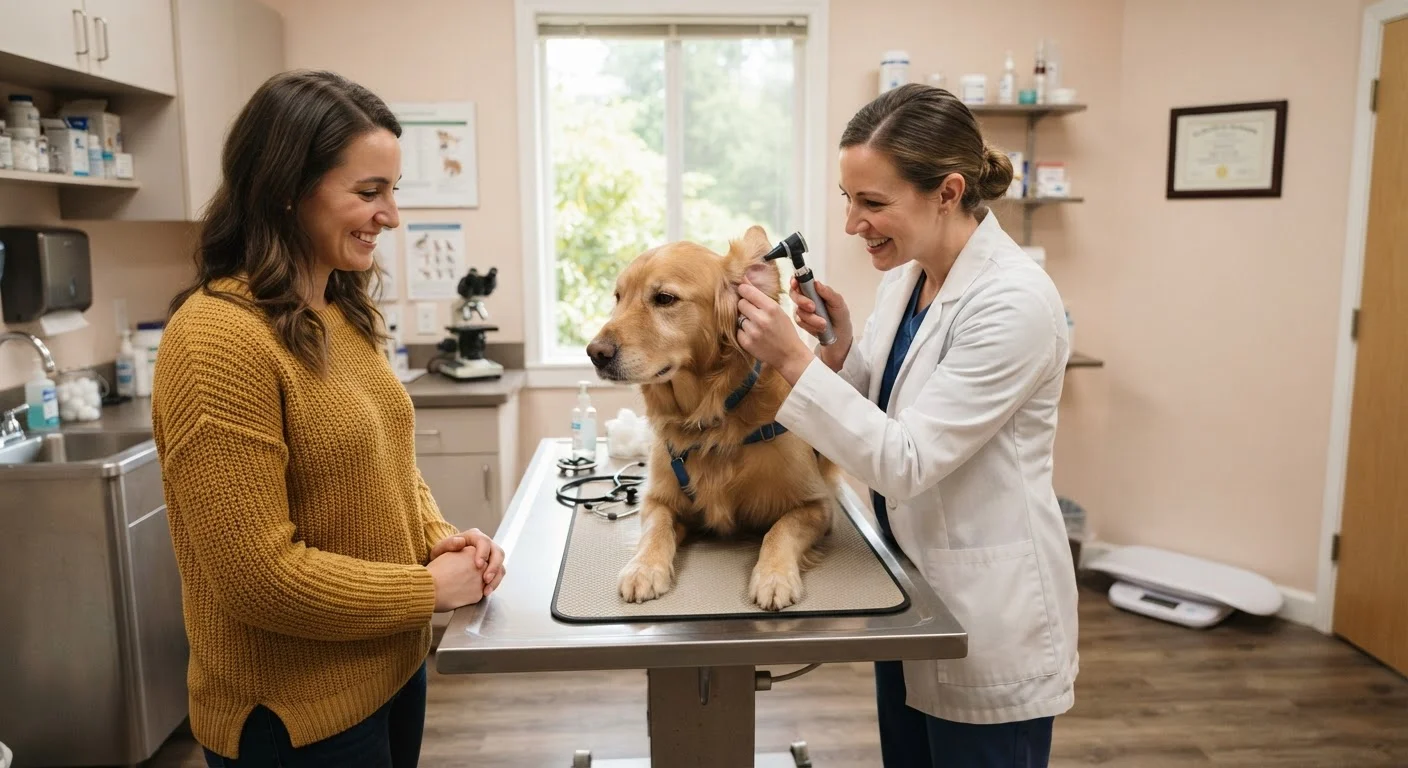
- Head-to-toe physical exam: The vet works systematically through the body: eyes, ears, nose, mouth and teeth, lymph nodes, skin and coat, heart and lungs (via stethoscope), abdomen (by palpation), musculoskeletal system, and — for intact animals — reproductive organs. Each area tells a story.
- Parasite screening: A fecal test checks for intestinal parasites. Depending on your region and your pet's lifestyle, the vet may also discuss heartworm testing and prevention. For a plain-language breakdown of parasite risks, see our guide to flea, tick, and heartworm prevention.
- Vaccinations review: The vet reviews which vaccines are due, distinguishing between core vaccines required for all pets and lifestyle-based optional ones. See our vaccine schedule guide for more on how this works.
- Recommendations and plan: The visit closes with a summary — any concerns found, diagnostics recommended, and a plan for follow-up if needed.
~70%
Dogs and cats with dental disease by age 3
According to the American Veterinary Medical Association (AVMA), dental disease is one of the most common health problems in companion animals, often developing well before owners notice any signs.
2x/year
Recommended exam frequency for senior pets
AAHA senior care guidelines recommend biannual wellness exams for older dogs and cats, reflecting the accelerated rate at which age-related conditions can develop and progress.
10–12
Body systems assessed in a single wellness exam
A thorough routine exam covers the cardiovascular, respiratory, dental, dermatological, musculoskeletal, neurological, and gastrointestinal systems, among others.
The Parts of the Exam That Surprise Most Owners
Two areas consistently catch pet owners off guard: dental assessment and weight evaluation.
Dental disease is among the most common conditions veterinarians treat in dogs and cats, yet many owners don't realize it's a routine part of the wellness exam. The vet checks for tartar buildup, gum inflammation, loose teeth, and early signs of periodontal disease — all of which can affect not just your pet's mouth but their systemic health. Our article on dental health in dogs and cats explains why this often-overlooked area matters so much.
Weight assessment is equally important and more nuanced than the scale number alone. Vets use a body condition scoring system — a structured method for evaluating fat coverage and muscle mass — to assess whether a pet is at a healthy weight. If you'd like to apply this method at home between visits, our guide on assessing your pet's body condition walks through the process.
How Age Changes What the Vet Is Looking For
A wellness exam for a two-year-old Labrador looks quite different from one for a twelve-year-old cat. As pets age, the focus of the exam shifts from establishing a healthy baseline to monitoring for the conditions that become more common in older animals: kidney disease, hyperthyroidism in cats, arthritis, cognitive decline, and certain cancers.
Most veterinary guidelines recommend moving to twice-yearly exams once pets reach senior status — generally around age 7 for cats and small-to-medium dogs, and earlier for large and giant breeds. This isn't an upsell; it reflects the fact that disease can progress quickly in older animals. Understanding how pets age biologically helps put this timeline in context — our piece on why pets age faster than humans explains the science behind the schedule.
For senior pets, bloodwork and urinalysis often become standard components of the routine visit, providing organ function data that no physical exam alone can capture.
How to Get More Out of Every Visit
Preparation makes a measurable difference in the quality of a wellness exam. Come with specific observations — not just "she seems off" but "she's been drinking more water than usual for about two weeks and seems less interested in her evening walk." Concrete details help the vet prioritize and investigate effectively.
Write down questions before you arrive. Common ones worth asking: Is my pet's weight trending in the right direction since last year? Are there any early signs of concern I should watch for at home? Are all current vaccines still appropriate given my pet's lifestyle? Is there anything about their diet or routine I should adjust?
If your pet is new to a practice or you've recently adopted, be ready to share prior health records. And if your pet tends to be anxious in clinical settings, let the staff know ahead of time — many practices have low-stress handling protocols that can make the visit easier for everyone.
The annual exam is also a good time to confirm that your microchip registration is current and that your pet's identification details are up to date. Our article on microchipping and what it can and can't do covers what to verify and why it matters.
This article is for general informational purposes only and is not a substitute for professional veterinary advice. Always consult a licensed veterinarian regarding your pet's individual health needs.