

| Normal urination frequency | 2–4 times per day (General veterinary consensus) |
| Normal defecation frequency | Once per day (up to every 36 hours) (General veterinary consensus) |
| Urine absence emergency threshold | 12+ hours without urination (especially male cats) (Feline urinary obstruction guidelines) |
| Diarrhea monitoring window | Contact a vet if it persists beyond 24–48 hours (General veterinary guidance) |
| Constipation concern threshold | No stool for 48 or more hours (General veterinary consensus) |
Why the Litter Box Is a Health Dashboard
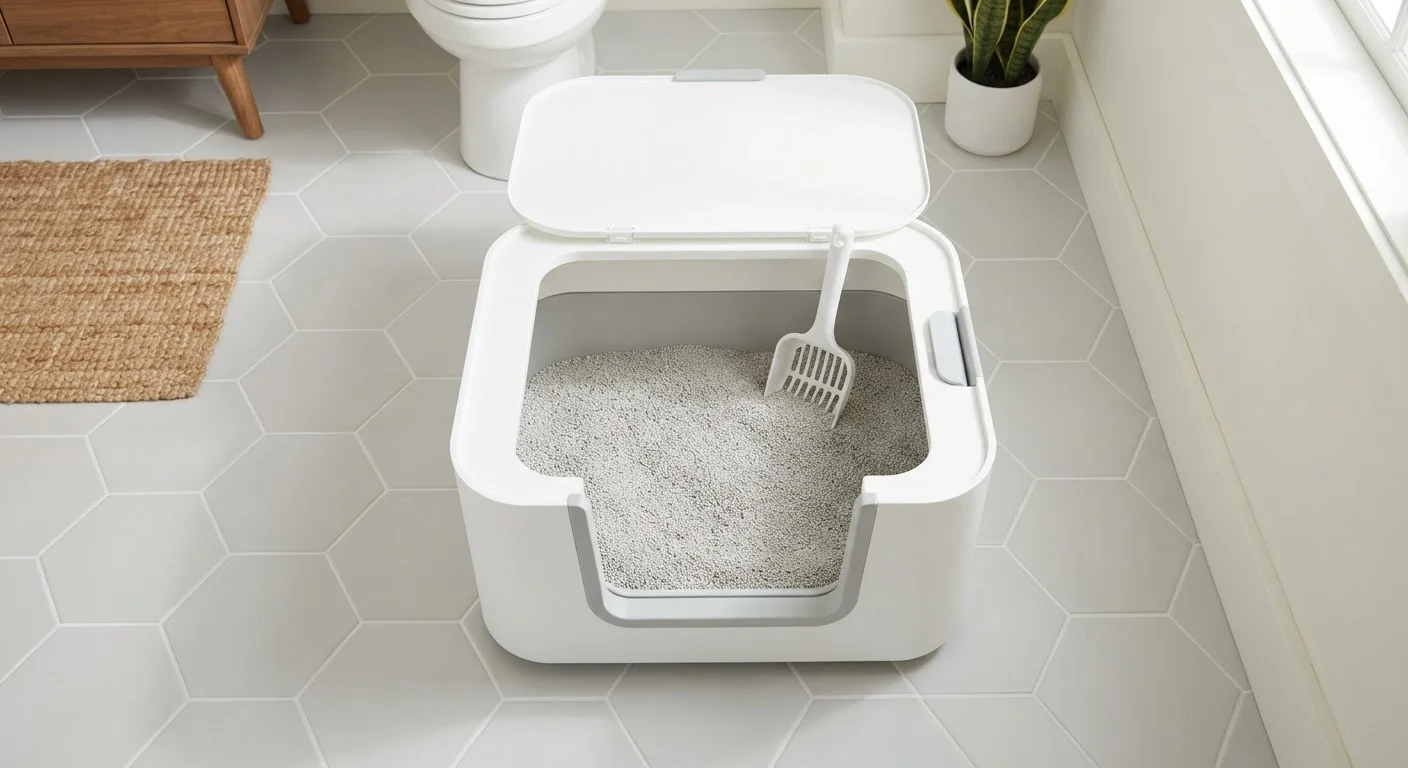
Most cat owners scoop and move on. But the litter box is one of the few places where your cat's internal health becomes visible every single day. Changes in how often your cat goes, what comes out, and how it looks or smells are frequently the first signs that something is off — often days before any other symptom appears.
You don't need a veterinary background to spot meaningful changes. You just need a baseline. Once you know what's normal for your cat, deviations become obvious. This reference guide explains what each observable category can signal and when it warrants a call to your vet.
For a broader look at what healthy litter box behavior actually looks like day-to-day, see our article on normal litter box habits and when to retrain.
| Normal urination frequency | 2–4 times per day (General veterinary consensus) |
| Normal defecation frequency | Once per day (up to every 36 hours) (General veterinary consensus) |
| Urine absence emergency threshold | 12+ hours without urination (especially male cats) (Feline urinary obstruction guidelines) |
| Diarrhea monitoring window | Contact a vet if it persists beyond 24–48 hours (General veterinary guidance) |
| Constipation concern threshold | No stool for 48 or more hours (General veterinary consensus) |
What to Watch For: A Category-by-Category Breakdown
Urination
A healthy adult cat typically urinates two to four times per day. Clumping litter makes this easy to track — each clump represents one void. Watch for:
- More frequent, smaller clumps: May indicate a urinary tract infection (UTI), feline idiopathic cystitis (FIC), or early kidney disease. Straining with little output is a potential emergency, particularly in male cats.
- Fewer trips or no urine at all: A blocked urethra is a life-threatening condition requiring immediate veterinary care. Do not wait to see if it resolves.
- Unusually large clumps: Could point to increased water intake, which is an early marker of diabetes or hyperthyroidism in cats.
- Blood in urine: Visible pink or red discoloration warrants same-day veterinary contact.
Defecation
Most cats defecate once per day, though once every 36 hours can be within normal range depending on diet. Deviations include:
- Diarrhea (loose or watery stool): Can result from dietary changes, parasites, infections, inflammatory bowel disease, or stress. If it persists beyond 24–48 hours or is accompanied by lethargy, see a vet.
- Constipation (no stool for 48+ hours, hard pellets, straining): Chronic constipation can develop into obstipation, a serious condition. Cats prone to this may need dietary fiber adjustments or veterinary management.
- Mucus-coated stool: Occasional mucus can be normal. Frequent mucus suggests intestinal irritation or colitis.
Odor
All litter boxes smell — but a sudden, sharp change in odor beyond the expected can be meaningful. Unusually foul-smelling urine may accompany infections or metabolic changes. A very sweet or fruity urine odor is sometimes associated with diabetes and worth mentioning to a vet. Diet changes, including switching protein sources, can also temporarily shift odor.
Litter Box Avoidance
A cat that suddenly eliminates outside the box isn't being defiant — this behavior almost always has a physical or medical cause. Painful urination caused by a UTI or crystals often makes the box feel like the problem. Cats hide pain very effectively, and litter box avoidance may be the clearest signal you get.
When to Call Your Vet — and When to Monitor
Not every variation is an emergency, but some patterns should prompt a call:
- Call immediately: No urine output for 12+ hours (especially male cats), visible blood, signs of extreme distress near the box, complete loss of bowel or bladder control.
- Call within 24 hours: Persistent straining with little result, diarrhea lasting more than 48 hours, dramatic increase or decrease in urination frequency.
- Monitor and note: Slight stool consistency changes after a diet shift, occasional single-episode loose stool with no other symptoms.
Keeping a simple log — even just a few notes on your phone — helps your vet understand the pattern rather than reacting to a single snapshot. Note frequency, consistency, any color changes, and your cat's behavior around the box.
The litter type you use can also affect what you observe and how accurately you track output. See our comparison of clumping vs. non-clumping litter to understand how each affects daily monitoring. And if you're evaluating your cat's overall environment as part of managing their health, our guide on setting up a safe indoor space covers litter placement and stress-reducing design.
This article is for general informational purposes only and is not a substitute for professional veterinary advice, diagnosis, or treatment. Always consult a licensed veterinarian for concerns about your cat's health.